Quality Engineering Leader

Quality isn't a phase:
It's a philosophy &
everybody owns it.

I build Quality Engineering organizations that are relevant, valued, and empowered.

12+
Years Leading QE
3x
Orgs Built from Scratch
50+
Engineers Led
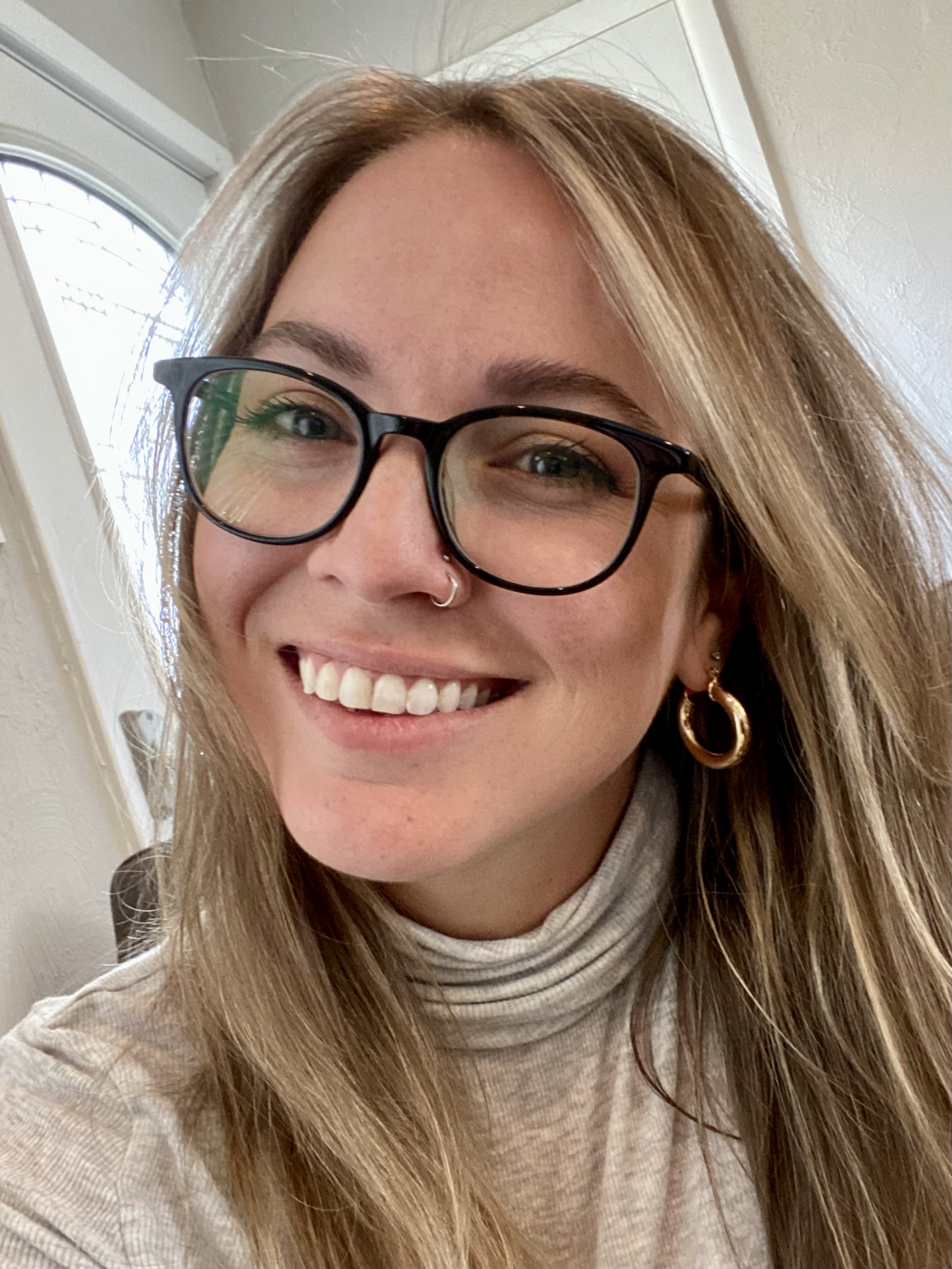
Kia Duran

I became the manager
I wished I'd had.

I didn't wait to be given a quality role. Early in my career I was already doing it: sending unsolicited bug summaries to companies whose websites were broken, proofreading copy for a friend's newspaper, poking at things until I found where they'd give. I wasn't looking for mistakes to be critical. I was looking for them because I genuinely couldn't help it.

I knew I wanted to lead when I started training other women to become QAs. Something clicked. I was an empathetic teacher before I had the title to match, and I kept thinking: I wish I'd had someone like me when I was starting out. Someone who saw the whole person, not just the ticket queue. That thought didn't leave me, and eventually I stopped waiting for that manager to exist and became her instead.

There still aren't enough women in STEM. I think about that when I build teams and when I mentor people early in their careers. I'm not trying to change the world. Just trying to open doors and hold them open, the way I wish someone had done for me.

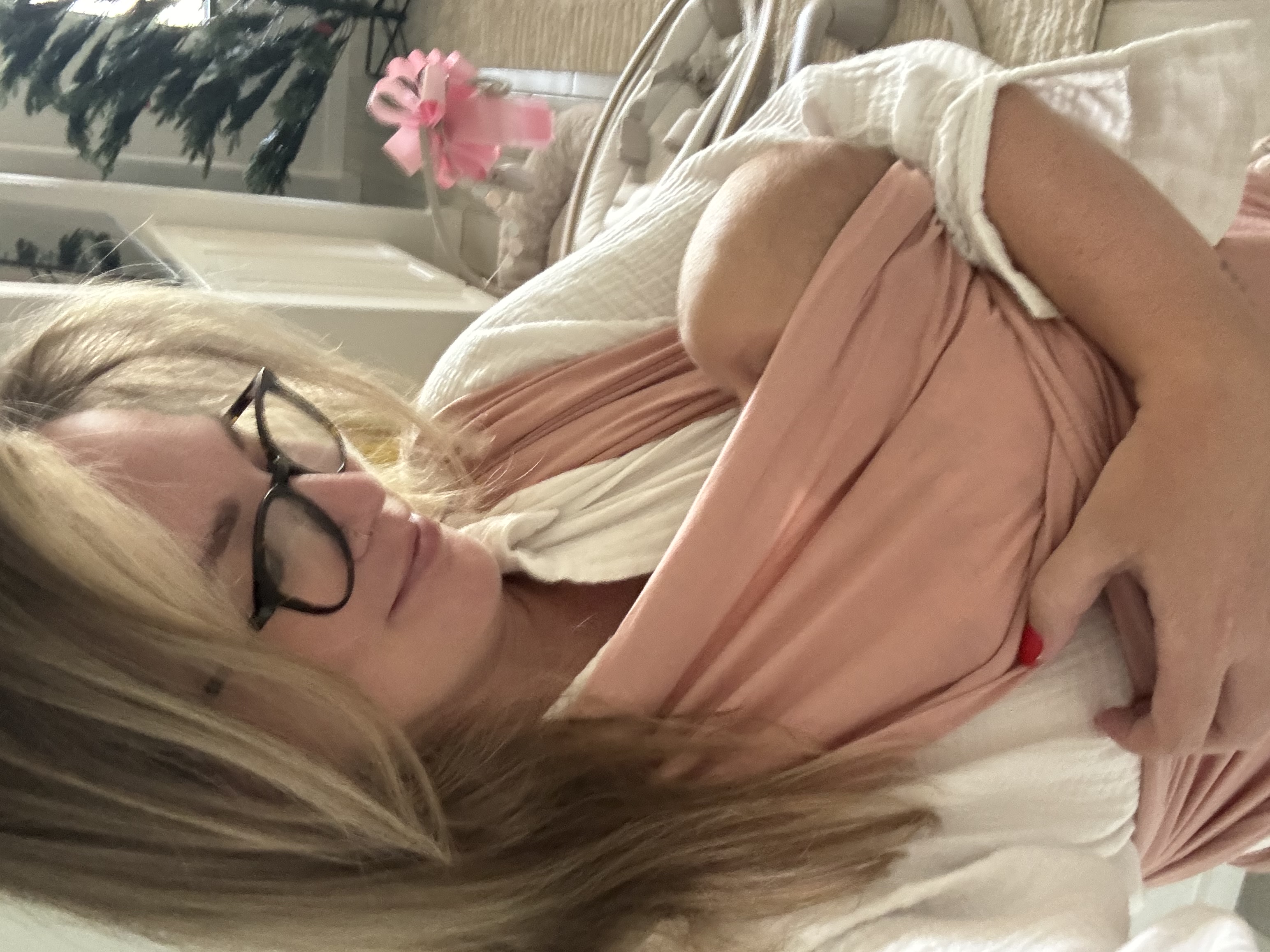
I recently had my first child, my daughter Lenora, who is four months old and already the most interesting person I've ever met. Being her mom has sharpened everything: how I think about signals and systems, how I think about building things that last, and most of all, how I think about the example I want to set. I want her to grow up watching her mom do work she believes in, in a field that doesn't always make room for people like us. And I want her to think that's completely normal. Because it should be.

Kia with her daughter Lenora
Quality Engineering AI-Augmented Testing Org Building SaaS Platforms CI/CD Risk Management Engineering Leadership Women in STEM
My Philosophy

The principles I lead by.

01
Lead with Empathy

My direct reports are humans, first and foremost. Everything else follows from that.

02
Practice Radical Candor

I focus on caring personally while challenging directly. Honest feedback, delivered with genuine investment in the person receiving it.

03
Assume Positive Intent

This allows us to come into even the most challenging conversation with an open mind and the ability to truly receive feedback.

04
Collaborate Often

I include my team in discussions around any process change that impacts them or their workload. People support what they help build.

05
Make Data Driven Decisions

My decisions are based on well-communicated data and include success indicators to ensure the decision was the right one.

06
Encourage Curiosity

Curiosity is the core of quality and should be fostered at every level of the team. Questions are never inconvenient.

07
Be Transparent

Whenever possible, transparency is crucial to the psychological safety of a team. People do their best work when they understand the full picture.

01
Team Ownership

Quality is a shared responsibility across engineering, product, and delivery — not a function owned by QA alone.

02
QE Team Empowerment

The Quality team is empowered to influence decisions, raise risk early, and advocate for quality at every stage of delivery.

03
Team Proximity

High-quality software is built through close, continuous collaboration between developers, product, and quality engineers.

04
Shift Left

Addressing risk earlier in the lifecycle reduces rework, cost, and delivery friction. Quality belongs in planning, not just testing.

05
Risk Based Testing

Not all features carry equal risk. Testing effort should be aligned to business impact, complexity, and likelihood of failure.

Transformation in practice.

A few examples of how I've turned quality challenges into engineering strengths.

Fleetio
Director of Quality Engineering · 2023 – 2026
From Reactive to Strategic

Inherited a leaderless, reactive QE team and rebuilt it into a strategic engineering partner with a clear identity, career paths, and a measurable seat at the table.

Escalation resolution: 21 days down to under 3
High priority fixes: down to under 2 hours
Grew team from 8 to 17 across web, mobile & SDET
Multiple promotions including into leadership
Introduced risk-based testing & shift-left practices
Launched AI-assisted testing experimentation

The QE team had been passed around without a clear home, clear leadership, or a clear future. Quality was a downstream function — reactive by design, buried in escalations, and without a single career path for the people doing the work. I came in and rebuilt it from the culture up.

I created career ladders, got every team member placed on a progression path, and promoted multiple people — including into leadership roles. I redesigned the escalation process entirely, bringing average resolution time from over 21 days down to under 3 days for lower priority issues, and under 2 hours for high priority ones.

I grew the team from 8 to 17, shifted quality left across the full SDLC, introduced test driven development practices, brought SDETs in early for automation needs, and built a risk-based testing model that made the team more consultative, more empowered, and more informed. eNPS scores went up. So did the team's seat at the table.
EverlyWell
Senior QA Engineering Manager · 2020 – 2023
Building Standards Across a Growing Org

Scaled a QA organization through both intentional hiring and post-acquisition growth — unifying standards, building foundational processes, and leaving behind frameworks that could scale without me.

Scaled team from 3 to 24 engineers
Resolved hundreds of lost escalations
Built escalation process & root cause tracking from scratch
Created company's first SDET team
Established mobile quality & regulatory testing standards
Unified standards across acquired and existing teams

Growth at EverlyWell came from two directions at once — intentional hiring and an inherited team following a company acquisition. The challenge wasn't just scale, it was consistency. I needed to bring everyone onto the same standards without making anyone feel like a second-class citizen.

I built the escalation process from scratch. When I arrived, there were hundreds — possibly thousands — of lost escalations with no system to track, triage, or learn from them. I created a process that not only kept us on top of incoming issues but surfaced root causes so we could stop making the same mistakes twice.

I also built the SDET team from the ground up, established mobile quality standards, ensured regulatory testing procedures were followed across all relevant programs, and left behind an org with the frameworks it needed to keep growing.

Modernize
QA Engineering Manager · 2012 – 2020 · Started in account management, moved into quality engineering in 2013, promoted to manager in 2018
Building from Zero

Joined as the first QA hire with no playbook, no tooling, and no process. Built everything from scratch — and learned more doing that than anything else in my career.

First QA hire — built the entire function from scratch
Sole tester for company-wide rebrand
Identified and implemented foundational QA tooling
Introduced automation & formal QA processes
Served as scrum master across multiple teams

I was the first QA hire at Modernize. There was no playbook, no tooling, no process — just me, a product that needed testing, and a team of developers who had been shipping without a quality function. I'll be honest: I was figuring it out as I went. And that turned out to be exactly the right preparation for everything that came after.

I identified the tooling, built the processes, and worked closely with developers to understand what they actually needed — not just what a QA function was supposed to provide. I was the sole tester for the company's complete rebrand. I introduced automation, acted as scrum master across several teams, and wore every hat that needed wearing.

By the time I left, there was a functioning QA organization where there had been nothing. That experience taught me how to build things that last — and how to lead in the absence of a map.

Wake Windows & Sprint Cycles

What My Newborn Taught Me About Leading Quality Engineering Teams.

Part 1 · Wake Windows & Sprint Cycles
By the Time They're Screaming, You've Already Missed It

Most QE teams are great at responding to the production incident. What separates good organizations from great ones is learning to read the signals before the screaming starts.

Read article →
Part 2 · Wake Windows & Sprint Cycles
Nobody Hands You the Manual

The goal isn't to find the manual. It's to build a system so good that you barely need one. On knowledge management, documentation culture, and what a banshee baby taught me about QE onboarding.

Read article →
Part 3 · Wake Windows & Sprint Cycles
Wipes Out. Diaper Ready. Fresh Onesie Unzipped. ...Ship It.

That's all shift-left is, really. Not eliminating the mess. Just making sure you're never caught without the wipes.

Read article →
Part 4 · Wake Windows & Sprint Cycles
Everyone Had an Opinion. Almost None of It Was Right for My Baby or My QE Org.

There is no universal scorecard for a healthy baby. There is no universal scorecard for a healthy QE org either. On building a metrics framework that actually works for your team.

Read article →

Building things for fun.

When I'm not building quality organizations, I'm building other things — usually for Lenora, or because an idea won't leave me alone.

Let's build something
worth shipping.

I'm currently open to Director and Senior Engineering Manager opportunities at remote-first SaaS companies. If you're building a quality engineering practice that needs a thoughtful, strategic leader, I'd love to talk.

Open to new opportunities